The healthcare industry plays a vital role in society, providing essential medical services to communities with demands that continue to grow and evolve. Over the past decade, the healthcare industry has experienced significant challenges that have transformed retention efforts of healthcare systems across the country. Throughout this transformation period, opportunities for workforce development have increased as healthcare organizations strive to deliver high-quality, value-based care to patients.
The Changing Landscape:
The aging population has significantly impacted the need for more skilled professionals in the healthcare space as baby-boomers retire and leave employment gaps that require highly skilled professionals. By 2050, World Health Organization predicts the world’s population of people aged 60 years and older will double. However, the past decade has seen a rise of technological innovation, chronic disease and evolving regulatory requirements which have all contributed to a complex and demanding healthcare environment. As a result, the growing demand for value-based care has created a need for a skilled workforce capable of providing efficient, cost effective and safe services to meet rigorous organization requirements.
Regulation’s Role:
Regulations have played one of the largest roles in the evolving landscape and developmental needs within the healthcare space. The Pure Food and Drug Act of 1906 was the first of its kind, aimed mostly at labeling requirements for food and drug products. While it may not have had a major impact on the workforce, it established the government’s role in ensuring the safety and quality of food and drugs. Over time, these regulations evolved, leading to more recent healthcare legislation such as the Affordable Care Act (ACA).
In 2020 the ACA was signed into law increasing demand for healthcare services with expanded access to coverage for millions previously uninsured Americans. Consequently, demand for services and healthcare professionals increased across numerous fields requiring healthcare organizations to focus on workforce development to ensure an adequate supply of skilled workers according to The Heritage Foundation’s Health Care Reform Report on The Impact of the Affordable Care Act on the Health Care Workforce. The ACA is also known for its initiative to improve health outcomes and control costs through care coordination. For the first time in history, healthcare organizations were incentivized to provide high-quality, cost-effective care with a shift from fee-for-service reimbursement to value-based care models. Finally, while the integration of technology was inevitable in the space, the ACA also incentivized the adoption of electronic health records (EHRs), creating an even larger gap for workers with limited technology education.
Why the Healthcare Industry:
Workforce development should be a strategic initiative for businesses in every industry. In the healthcare sector in particular, upskilling and reskilling efforts aimed at workforce development are crucial to the evolving healthcare demand. Technology innovation, regulatory and compliance requirements and an aging workforce are all usual suspects when it comes to the need of workforce development initiatives. What about complex and specialized skills? Is anyone thinking about the changing patient demographics? Or, what about internal culture initiatives like interdisciplinary and team-based care models?
Specialized Skill Sets:
The range of specialized and diverse healthcare disciplines is one of the largest differentiators regarding the need for workforce development within the industry. Each allied healthcare profession has distinct scopes of practice determining tasks and responsibilities, which in turn affects the level of education required based on specific discipline. For example, a Surgical Technologist and a Medical Billing Specialist both require specific training that the other may never have to receive.
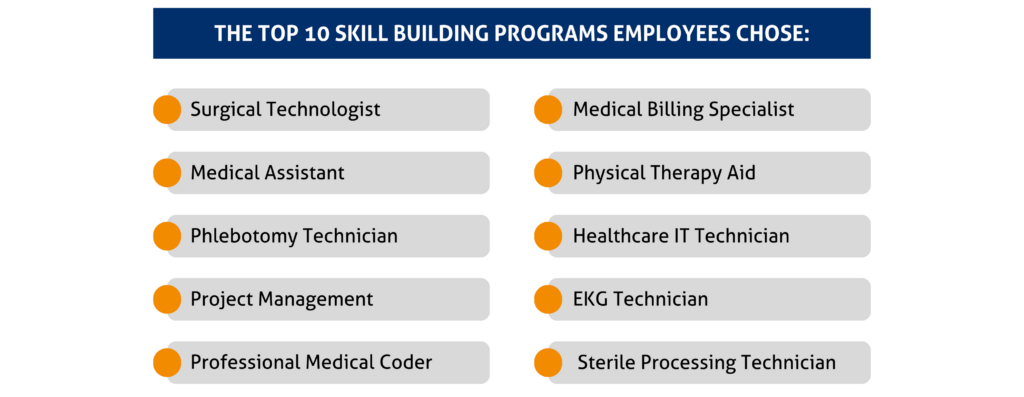
(see full list of Emerge Education Healthcare Certificate programs at https://emergeedu.com/healthcare/ )
Patient Demographic Shifts:
According to the National Library of Medicine, “Major changes in the demographic profile of the United States are under way, and these changes are projected to accelerate in the next several decades. Important demographic shifts include the aging of the population and the projected growth of the oldest old (those 85 years of age or more)…”. This patient group requires special skills and knowledge to meet the needs of their conditions. This poses various challenges that include ensuring high-quality care while simultaneously enhancing patient satisfaction rates and preventing professional burnout and emotional fatigue.
Staffing Culture:
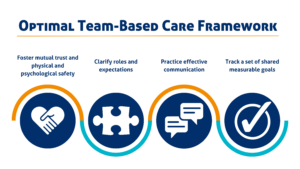
Lastly, internal culture initiatives like team-based models are arguably one of the highest contributors to the growing needs of workforce development in the healthcare sector. Continuity and coordination of care rely on effective teamwork and communication. Interpersonal skills have also become a high priority in workforce development strategies that coincide with internal culture efforts impacting Human Resources hiring efforts, retention, and differentiating employment from one healthcare organization to the next. While the workforce retention challenge is not exclusive to education and development demands, employee desire for opportunities for growth and development seems to stand right beside the desire for a fulfilling and meaningful work experience that supports employee well-being. Without dismissing retention and staffing challenges, workforce development is a strategic initiative that could help move the needle.
Leading Strategies to Address Staffing and Retention Challenges in the Healthcare Industry:
- Investing in Workforce Development
- Promoting Work-Life Balance
- Offering Competitive Compensation and Benefits
- Prioritizing Diversity and Inclusion
- Implementing Technology Training
- Collaborating with Educational Institutions
As the healthcare industry evolves to meet the demands of a rapidly changing world, the need for workforce development becomes increasingly crucial. Emerge Education is prepared to help with your organization’s needs and work together to create customized solutions that scale with you.