Establishing and maintaining a successful company comes from creating a productive workforce. The profitability and growth of an organization are affected by how hard employees work and whether or not they can produce quality results quickly.
One of the main factors contributing to workforce productivity is employee engagement. According to Gallup’s State of the Global Workplace: 2022 Report, only 21% of employees worldwide are engaged at work. The lost productivity from their disengaged work performance has cost the global economy $7.8 trillion.
This global engagement data proves how workforces aren’t meeting the needs of their employees and as a result workforce productivity suffers. Organizations can increase productivity growth by focusing on new technology, employee development opportunities and training managers.
1. Implement New Technologies
Technology can either hinder or significantly improve workplace productivity. The challenge comes from implementing technology in a way that can boost your team’s performance.
According to Gallup’s 2022 Report, in terms of embracing new technology, the most productive workforces do the following consistently well:
- They commit to their digital strategy and devote sufficient resources to it as a core organizational priority.
- They mobilize the entire organization around their transformation, sharing responsibility and ownership of the transformation.
- They are flexible and agile, focusing on continuous development and making bold bets to reinvent themselves.
- They invest in the right technology-ready talent to help execute these bets at both the frontline and managerial levels.
Throughout the healthcare industry, there is a myriad of examples of how adopting new technology created a more productive workforce. For instance, the use of electronic health records frees up administration work and streamlines access to patient charts, patient communication, test results and billing requests.
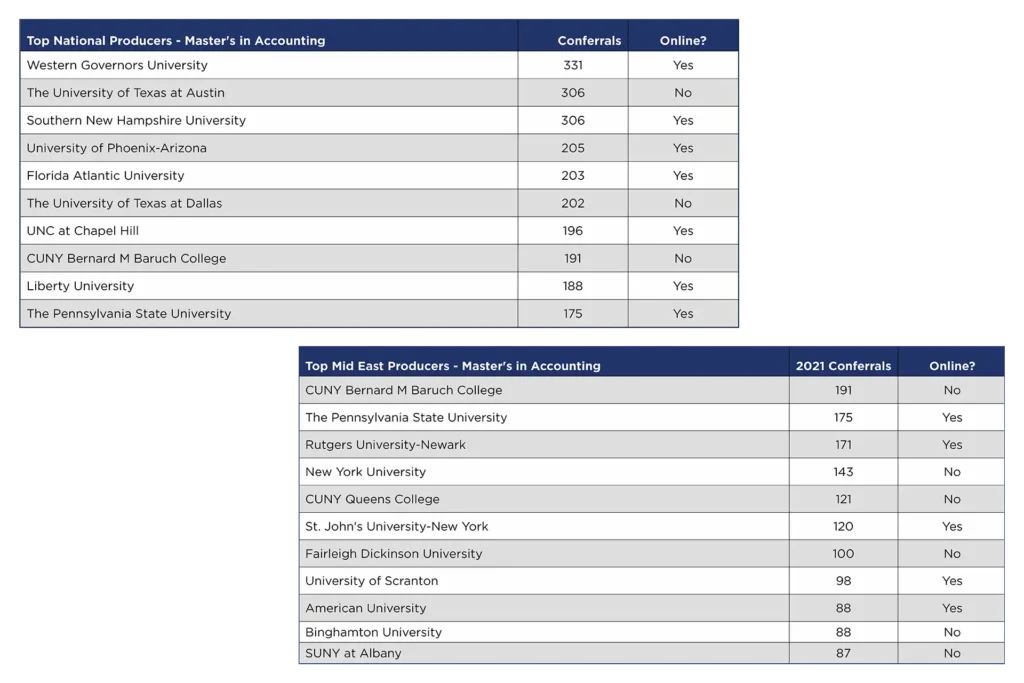
The higher education industry also executed new technology rapidly in 2020 when many students were moved to online learning in order to complete classes. As time has passed, more higher education institutions realize the increased productivity that comes along with quality online programs.
For example, the 2022 Changing Landscape of Online Education survey found more than four out of five institutions built up their technical teams during the pandemic to support online learning, and, as a result, are offering more faculty training programs in it.
New technology is implemented across industries every day, but it’s ultimately up to the organization to use it effectively and productively.
2. Provide Employee Development Opportunities
To build a productive, future-ready workforce, employee development must be a vital part of company culture.
Prioritizing development ensures that team members’ skills evolve in accordance with industry trends and best practices. Employee development includes a variety of learning opportunities, including conferences, higher education courses, professional certifications and mentorship programs.
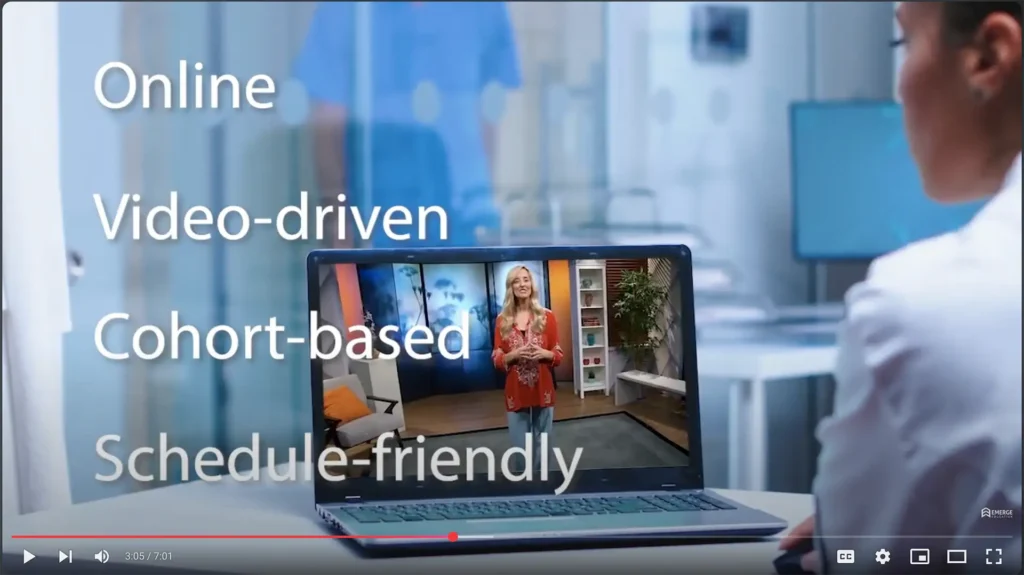
These programs don’t have to be provided directly by the employer themselves. For instance, Emerge Education teams up with organizations to provide workforce education programs that help employers meet the educational needs of their employees. Thanks to customizable workforce development solutions, healthcare and higher education organizations can quickly enroll employees in online certificate programs.
When employees have the opportunity to learn new skills or become better at their current role, employee retention increases and so does company culture.
Top Examples of Employee Development
An employer who shows exceptional employee development is Cooley, a global law firm. Cooley runs a virtual mentoring program called Cooley Academy Mentoring Program (CAMP) that’s geared towards improving their onboarding process. Mentors get to teach, train, support, and prepare new hires for more complex work through mentoring sessions. As a result, Cooley reports 95% of their employees say their workplace is a great place to work.
For fast-food chains employee turnover can be as high as 130% to 150%, according to industry estimates. However, one popular fast-food brand is combating high turnover rates by investing in its employees.
Chipotle is committed to employee development which allows employees to pursue their interests and passions. This is why they offer 100% of tuition covered for select higher education degrees, high school diplomas and college prep courses. In addition to the selected areas of study, eligible Chipotle employees can be reimbursed for up to $5,250 a year in tuition at the school of their choice.
Employees enrolled in the program have a retention rate 3.5 times higher than the typical Chipotle worker. Additionally, workers who take advantage of the benefit have proven to be 7.5 times more likely to move into management at Chipotle than those who do not.
Organizations like Cooley and Chipotle set top examples for organizations looking to increase productivity with employee development programs.
3. Train Managers to Communicate Effectively
In the article, Want to Improve Productivity? Hire Better Managers, the author dives into the issue organizations across industries face with management. Vipula Gandhi argues that managers need to be transformed in order to increase productivity.
One of the main tips Gandhi gives is to train your managers into coaches. She states, “Many managers today are not ready to have frequent developmental conversations with their teams, but regular listening and feedback are essential skills for talking about performance and growth.”
This aligns with the movement away from organizations solely depending on an annual review to communicate with their employees about work, level of happiness at the company, career goals and more.
Gandhi states, “In short, the world has changed, but too many organizations still have a management philosophy from the days of the assembly line.”
The new workforce is looking for things like:
- Purpose
- Opportunities to develop
- Ongoing conversations
- A coach rather than a boss
The new workforce sees work and life as interconnected, and they want their job to be a part of their identity. The more managers can evaluate and improve their communication abilities with employees, the more likely they are to form a productive workforce.
4. Learn From the Most Productive Workforces
A McKinsey Report states, “Boosting US productivity represents a $10 trillion opportunity. That’s the potential cumulative increase in US GDP between now and 2030—equivalent to $15,000 per household—that could result from regaining the long-term productivity growth rate of 2.2 percent annually.”
Organizations will boost productivity by:
- Embracing new technologies and effectively using them
- Offering workforce development opportunities to employees
- Equipping managers with top communication skills
There’s no question, highly productive workforces provide continuous learning opportunities for their employees. If you’re ready to streamline workforce development and help increase productivity in your organization, then explore Emerge Education’s workforce development solutions today.