Higher education is experiencing a transformation, with a focus on aligning learning with emerging technologies and workforce demands. As there continues to be an overall decline in immediate college enrollment rates, the debate over skills and credentials programs in higher education is creating increased pressure on institutions to make shifts towards alternative paths to career entry. Compounding the issue are high tuition costs and an all-time high for student debt. Trends are impacting several industries, with healthcare experiencing a unique demand for post-secondary credential programs for allied healthcare professionals.
Setting the Landscape: Continuing Education
The changing landscape of continuing education is driven by factors such as high tuition costs and the prospect of student debt, which might explain why recent college enrollment rates have plummeted lower than 2010 (68 percent). The pandemic was the largest contributor to this shift, as more opportunities of less skill were created, easing entry to the same job market that required a degree for nearly the last three decades. According to Fortune, even those who did start college during the pandemic “felt they weren’t learning anything, and the idea of four more years of school, or even two, held little appeal,” which speaks to the overall value today’s young population is placing on continuing education.

Over the years, the strict curriculum at the K-12 level and growing entrepreneurial mindset of the millennial population is creating a crisis amongst universities. Those struggling to stay afoot as pandemic funding comes to a close are being challenged by the open job market that offers ease of entry to all skill levels. This is evident as immediate college enrollment rates of high school graduates began to dip majorly in 2019.
Rising wages also play a role as the opportunity cost associated with going to college is greater than it used to be for students. Josh Wyner, executive director of the Aspen College Excellence Program explains that “people who otherwise would go to college are choosing the world of work,” which brings thought to what is to come in the next 5-10 years for Higher Ed.
The next 3-5 years: Secondary Ed programs vs. Higher Ed
The impending “enrollment cliff” poses challenges to higher education institutions. According to Vox, “In four years, the number of students graduating from high schools across the country will begin a sudden and precipitous decline, due to a rolling demographic aftershock of the Great Recession (December 2007 to June 2009).” Forecasters thought what we are seeing today would happen in the 1980’s, but a booming labor market aided the continued success of higher education enrollment. In fact, enrollment rates continued to increase through 2007, when higher ed financial funding cuts and a decline in the global economy overall created demographic imbalances to trouble the market for the next two decades. It was not until 2019, the last full year before the pandemic, undergraduate enrollment was down to 16.6 million and we started to see the “enrollment cliff” pending. In 2021, these same enrollment rates dropped even further to 15.4 million from 18.1m in 2010.
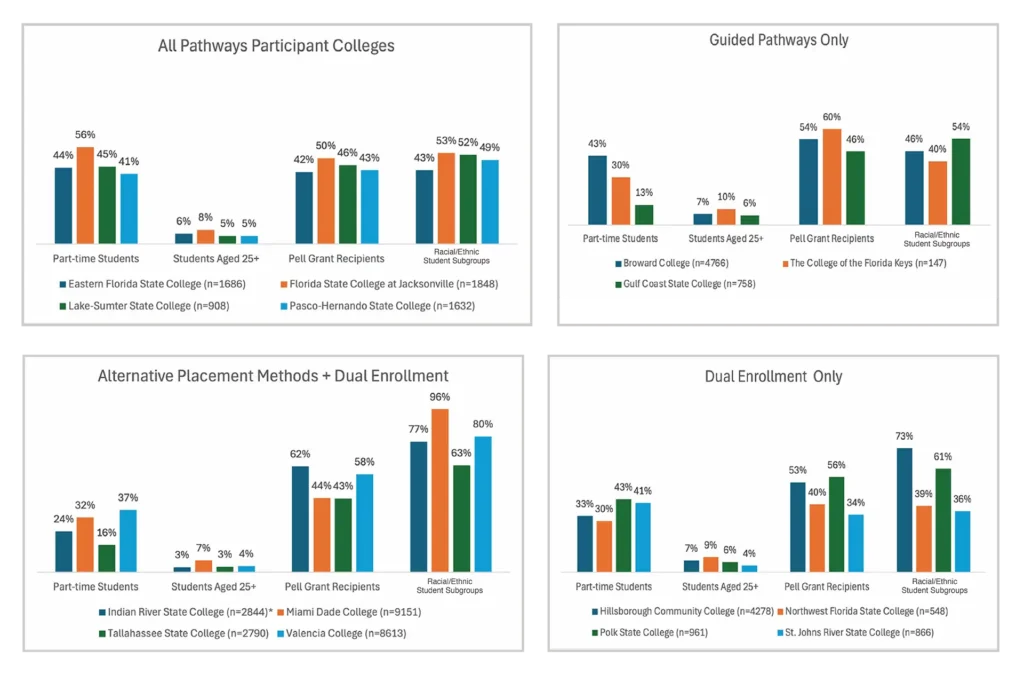
Dual-enrollment and progression are being discussed as strategies to address this challenge, but that may not be enough to meet the changing needs of students. In the next year, we may see some schools opting to close as Cardinal Stritch University in suburban Milwaukee just did in May 2023. Smaller institutions like this face increased pressure to engage learners in different ways to compete with the increase in job market opportunities. Despite the appealing soft-skills and critical thinking that smaller Liberal Arts degrees lend, lack of funding at this level hinders such institutions from competing with larger schools for enrollment numbers. These large institutions can afford to turn students away and maintain the endowments to stay afoot with an existing draw for the larger college experience.
The job market is also making its mark on trends in education. Rising wages entice high school graduates to choose the world of work over pursuing a degree. However, many of the industries currently experiencing growth as well as labor shortages, still require some kind of post-secondary education. In fact, the private education and health services market grew almost 5x over this period to become the second larges workforce in the US (25m). What does this tell us? The workforce is available and interested, but the programs to support and reduce the labor shortages are not.
How our programs help
Post-traditional learners, who must balance various life, work and academic priorities, are becoming more prevalent in post-secondary education. Many have college credits but no credentials, and according to the National Student Clearinghouse Research Center report, they are returning to college at lower rates than in the past. Non-degree credentials are also on the rise and are estimated to become the most conferred award in US higher education in the next 10 years.
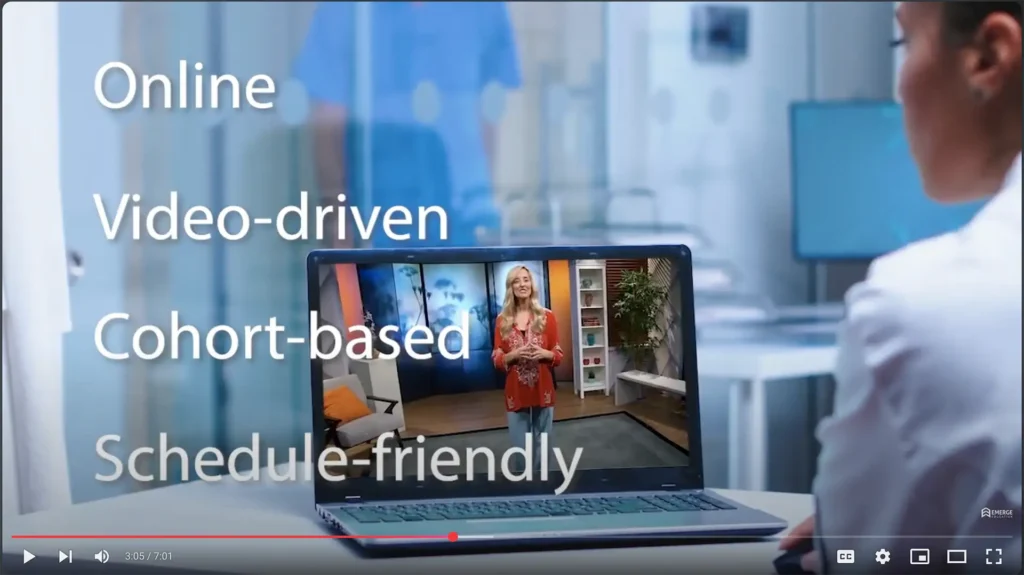
In the healthcare industry, occupations are projected to grow at a rapid rate of 13% from 2021 to 2031. However, the healthcare industry is still experiencing significant staffing and labor skills shortages. Emerge Education offers cutting-edge post-secondary healthcare programs, brokering relationships between educational institutions to collaborate and fill the gaps mitigating enrollment declines and workforce shortages.
As higher education enrollment undergoes shifts, there is a positive outlook for post-secondary credentialing programs. This change creates opportunities for job market entry, especially in the healthcare sector where the demand for allied healthcare professionals is growing. To meet the needs of post-traditional learners, institutions must adapt their approaches and offer flexible, industry-aligned programs that equip students with the skills required for the evolving job market. Embracing these changes will enable educational institutions, students, and the healthcare industry to thrive in the years to come.